
Media Training
Our clients turn to us to ensure their spokespeople are confident, consistent and ready to raise your firm’s visibility in ways that move your business forward.

We help your spokespeople prepare for interviews by focusing on the audience, developing their messages (including quotable soundbites) and preparing for a clean and engaging delivery. We make sure they’re ready to handle difficult questions.
Our 2-to-3-hour program can be delivered virtually or in person by our staff of experienced trainers including former financial journalists with print and broadcast experience and PR professionals with deep experience in the investment industry.
Our process includes:
- Critical insights on the media landscape
- Message triangle development
- Interview prep for broadcast, print, digital, podcast, and live events
- Real-time practice with actionable feedback


Your frequently asked questions, answered.
What are the goals of Lowe Group media training and what can financial professionals expect from media training?
Well, there's a lot of goals that we accomplish through media training. One of the first things we do is to really help people feel comfortable talking to the media. A lot of people are nervous about it, so going through the training sort of gives them the experience of what it's going to be like, and they can know what to expect.
That's huge. We also give the subject matter, the people who are being trained a background on who the media are, what they want, how to deal with them. And what to avoid, what to be careful with, right? A reporter is not our stenographer. They're not there to sell our products. They're there to tell a story and to write news.
So how do we better work with reporters to accomplish what they want while also accomplishing our own goals? the other thing that's really important about media training is it helps people know that they are in control, that they have the ability to control what they say, and to deal with difficult questions, right?
We introduce them to processes to help them address any question that they get in media training and to bridge the key messages we want them to do. Lastly, I think one of the most important things about media training is trying to get your whole team to, you know, what I like to call, sing from the same hymnal, right?
All of us together when we're trying to promote our brands need to be saying consistent things about who we are, what we do, how we serve clients, and media training is an excellent way to get everybody aligned. On the key messages that differentiate your firm and distinguish your brand and to get people to repeat those messages over and over again.
Working together kind of to build your brand awareness. So, those are the main things that we try to accomplish in media training.
Describe how media training can help financial executives make the most of interviews?
There are significant benefits to media training beyond simply talking to reporters. We find that the media training we do helps people prepare for, panel discussions or, they may be keynote speaker and they're going to be asked to take questions from the audience.
And the media training can actually help them too. Answer questions and get their messages across effectively. It also is effective for people who are doing a lot of, say, meetings with centers of influence or consultants. The kind of people that, you know, sort of like reporters are asking questions of you.
And the media training can sort of help you control those discussions and bridge to the topics that you want to talk about. So, we really think media training is sort of a good foundational training for anybody. Who's responsible for talking to potential clients, potential influencers about your company and your brand?
Are there other benefits to this training?
We've trained thousands of people to talk to media over the years, and one of the things we hear often is, you know, a portfolio manager or an analyst has spent some time, spent a lot of time with a reporter, and then they end up with some quote that sort of not relevant or kind of coming out of left field.
One of the most important things that we help subject matter experts do, is to make the most of media interviews by working hard to make sure that they get the quotes into the story or into the interview that they want to get. This involves, creating what we call a message triangle, really to try to narrow down and answer the questions in a way that you want to.
It also helps them to prepare in advance to be really disciplined about delivering those messages. So that they're more likely to get more of the quotes they want into stories and to make better use of the time that they spend talking to reporters.
Read our latest insights on Media Relations.
Kitces’ 2026 Marketing Study: The best marketers make advisors market less
Kitces’ 2026 Marketing Study: The best marketers make advisors market less Marketing pays for itself, but most of the cost is people’s time. Roughly two-thirds…
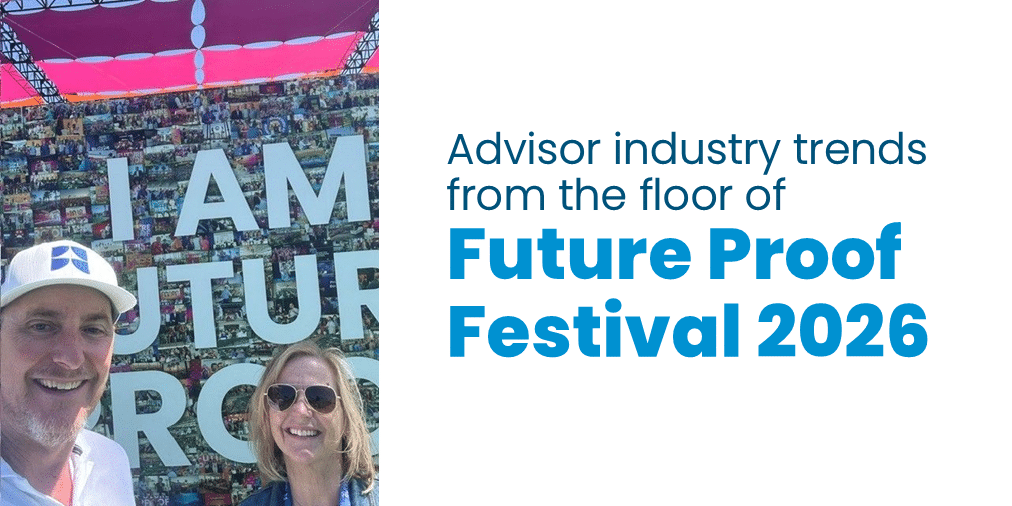
A few marketing lessons from the 2026 Future Proof Festival
Larger-high growth advisory firms move beyond referrals and build real marketing functions once they break past the $5M revenue point Successful marketers combine digital strategies…
“No AI answers, please” – What reporters are really telling sources
Key takeaways: Reporters are screening for AI and saying so plainly in their outreach. Journalists are looking for authentic responses informed by specific expertise and experience. Running your…