
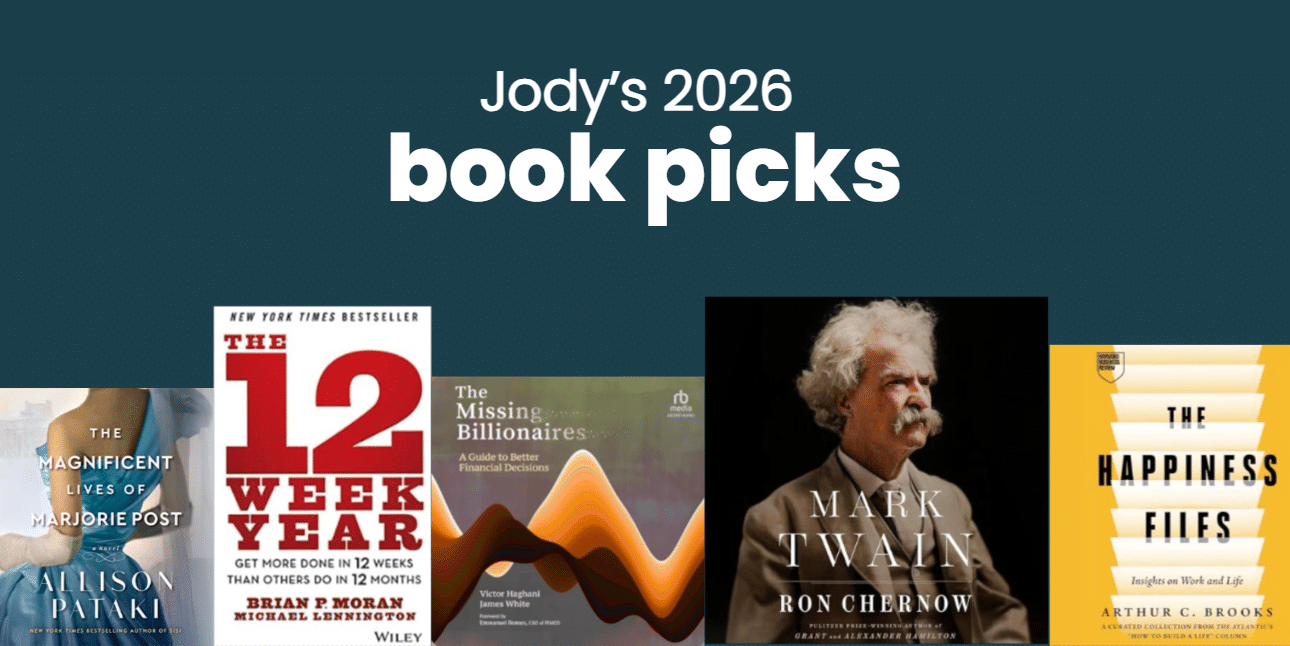
2026 book recommendations
Key Takeaways:
- We offer a few book recommendations for professionals working in the investment industry that either directly or indirectly cover business, investment or wealth/estate planning topics.
- The blog post offers both fiction and non-fiction titles.
It’s time for our annual book recommendations. We’re not alone in publishing an annual list. Wealth Management.com contributor and author John Kador just published a list of the Best Books of 2025 for Financial Advisors with a number of interesting titles.
On Wealth Management’s list is Andrew Ross Sorkin’s new book 1929 which I’m dying to read and have downloaded to my Kindl. Kador’s list also serves up a novel called Pitfall by Terry Kirk that tells the story of a wheat futures trader who loses everything on Black Tuesday and starts over to discover abilities he never knew he had. I love to pair fiction and nonfiction works focused on the same era toggling between each to enhance the experience.
Here are five books, some non-fiction and some fiction, that I read in the 2025 that each have a connection to business planning, investments or wealth/estate planning:
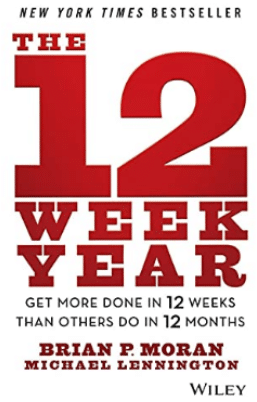
The 12 Week Year by Brian Moran and Michael Lennington advocates for building business plans out 90 days vs our customary year-long plan. This book walks through both the rationale and methodology of creating actionable goals that can be accomplished in 12 weeks. Lowe Group as a firm has transitioned toward 90-day goals for both our team and our clients. We start with a longer vision and objective, then define 90-day focused plans to make measurable progress each quarter.
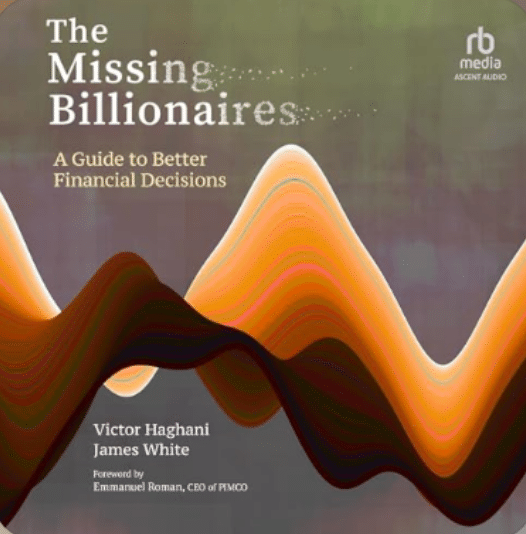
The Missing Billionaires, written by Victor Haghami, one of the founding partners of Long-Term Capital Management, and James White. Haghami and White are now both at Elm Wealth. The book digs into the reason wealth gets destroyed across generations with a particular focus on investment decision making.
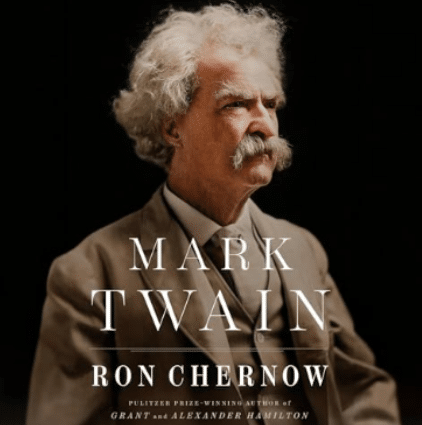
Like many of Chernow’s works, Mark Twain is an epic read at more than 1,200 pages Twain’s life as a literary giant and humorist are well known. But Chernow’s deep research into his many failed business and investments dealings shed light on how Twain destroyed both his and his wife’s great wealth and ultimately declared bankruptcy. Not an easy read given the many personal tragedies he faced, some self-inflicted.
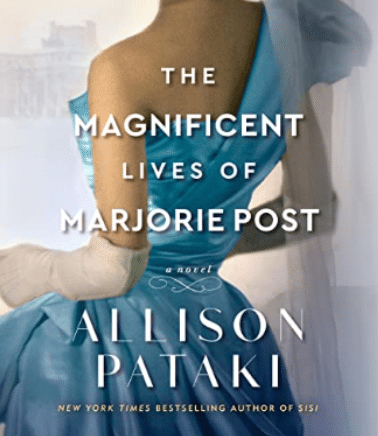
The historical novel The Magnificent Lives of Marjorie Post by Allison Pataki is loosely based on the real-life heiress of the General Foods company. The story follows her life over more than 50 years from her humble beginnings as the only daughter of the founder of the Post Cereal company in Battle Creek, Michigan, to ultimately owning and eventually serving on the board of General Foods and later being the friend and confident of several presidents. It also covers some dramatic estate and financial challenges including a succession battle after her father died and the financial travails her four divorces.
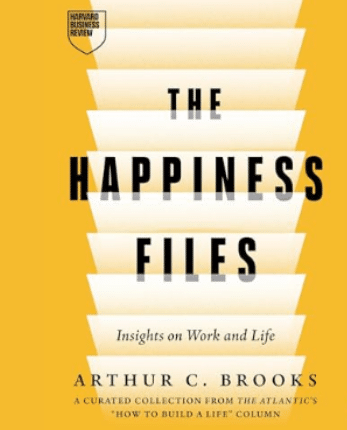
The Happiness Files by Arthur Brooks is a compilation of Brook’s popular Atlantic magazine column focused on finding fulfillment in work and life. Brooks is a Harvard Professor, the former president of the Enterprise Institute and the author of other books including one of my favorites, From Strength to Strength. This quick read offers practical ingredients to improving happiness including finding meaningful work, having supportive relationships and maintaining a spiritual practice.
Have you read any of these titles? Please drop us a note to let us know what you thought. Are there books you think we should add to our list? Please send us your recommendations. In the spirit of curiosity and learning, we wish you good reading in the New Year.
Subscribe.
Receive the latest news and insights from Lowe Group.